Understanding Gingivitis and Its Impact on Your Oral Health

Have your gums ever bled when you brush or floss?
Many people think this is normal, but it’s actually an early warning sign of gingivitis.
At Dr Deval Mehta™ Dental Care Mumbai, we often see patients when it’s too late—by then, gingivitis has turned into periodontitis, a major cause of tooth loss in adults. The good news? Gingivitis can be prevented and reversed if you catch it early. Let’s learn more!
What is Gingivitis?
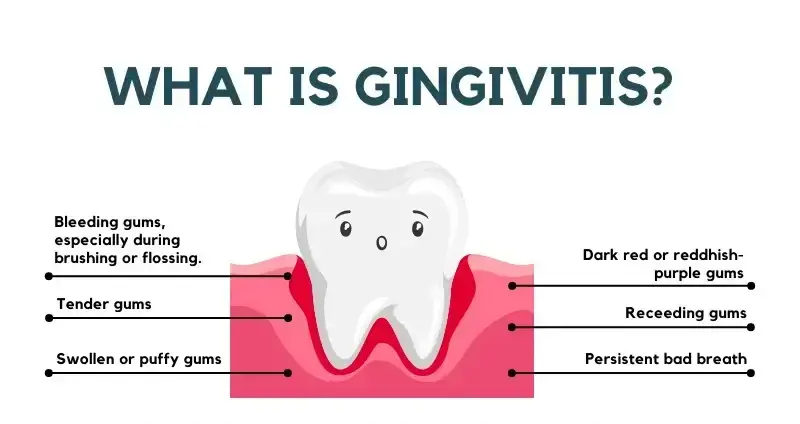
Gingivitis is the first stage of gum disease. It happens when plaque—a sticky layer of bacteria—builds up on your teeth and gums.
Do your gums feel sore or swollen?
Do they bleed when you brush?
These are signs that you need dental care.
If you ignore gingivitis, it can turn into periodontitis. This is a more serious problem that can damage the bone holding your teeth and may lead to tooth loss.
Quick fact: Gingivitis itself isn’t contagious, but the bacteria that cause it can spread through saliva (even by kissing).
Signs and Symptoms of Gingivitis
You might not feel pain at first, so watch for these signs:
1. Bleeding gums—red, swollen gums that bleed when brushing or flossing.
2. Swollen gums—gums look puffy because of trapped bacteria.
3. Bad breath or bad taste—even after brushing, your mouth smells bad.
4. Receding gums—gums pull away, making teeth look longer.
5. Deep pockets—spaces between teeth and gums fill with bacteria (this is a sign of periodontitis).
Tip: If you notice any of these, visit your dentist right away.

What Causes Gingivitis?
Poor oral hygiene—not brushing or flossing enough.
Age—risk goes up as you get older.
Genetics—family history can make you more likely to get it.
Crooked teeth—harder to clean, so bacteria hide easily.
Medical conditions and medicines—some illnesses and drugs can make gum problems worse.
How to Prevent Gingivitis?
The best part? You can reverse gingivitis with good care. Here’s what to do every day:
Brush your teeth twice a day for 2 minutes, using an electric toothbrush and antibacterial toothpaste.
Floss once a day to remove food and plaque between teeth.
Rinse with antibacterial mouthwash to control bacteria.
Visit Dr Deval Mehta™ Dental Care in Mumbai every 6 months for a check-up and cleaning.

Gingivitis Treatment Options
If you already have gingivitis, these treatments can help:
Deep cleaning (scaling and polishing) to remove plaque and tartar.
Medication—antibiotics or special mouth rinses for serious infections.
Surgery—in severe cases, gum surgery and root planing may be needed.
Takeaway
Gingivitis may not hurt at first, but it can cause big problems if you ignore it. Take care of your gums to protect your smile.
Remember: Prevention is better than cure. Regular dental checkups with Dr Deval Mehta™ will help keep your gums healthy and strong.
A healthy smile is about more than just teeth—it’s about your whole health.

Comments